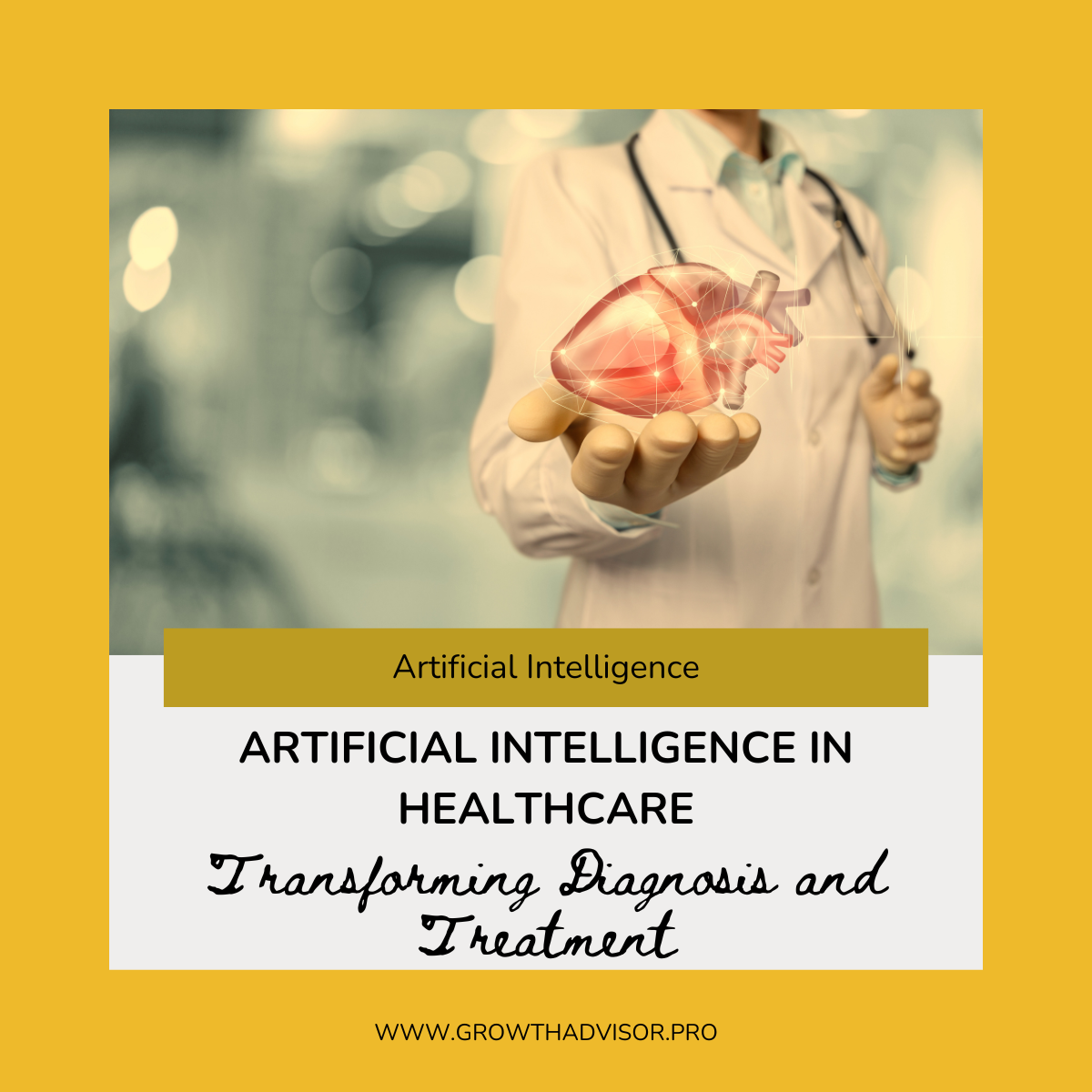
Artificial intelligence (AI) is like a superhero for the healthcare industry, bringing in new tools and technologies that make things better for patients, doctors, and even our wallets. It’s like a breath of fresh air in a stuffy room, revolutionizing healthcare in amazing ways!
Diagnosing Diseases with Accuracy
AI Algorithms for Medical Imaging
Imagine this: AI can help doctors diagnose diseases with super accuracy. It’s like having a Sherlock Holmes on the medical team! By analyzing medical images like X-rays and CT scans, AI algorithms can spot abnormalities and catch medical conditions early on. For example, it can find sneaky signs of breast cancer in mammography images. That’s pretty impressive, right?
AI-powered Diagnostic Tools
But that’s not all. AI-powered diagnostic tools can be like a medical genius, analyzing patient data such as lab results, medical history, and symptoms to give accurate diagnoses. So, if you’re worried about that mysterious skin rash, AI can analyze images of your skin and tell you what’s going on. It’s like having a digital doctor right at your fingertips!
Personalized Treatment Plans
Personalized treatment plans are another fantastic thing AI can do. It’s like having a tailor for your health! AI can look at your genetics, lifestyle, and medical history to create a treatment plan that’s just for you. Let’s say you have cancer, and AI analyzes your tumor’s genetic profile to figure out the best treatment. That’s personalized medicine at its finest!
Accelerating Drug Discovery
AI isn’t just about diagnosis and treatment. It can also speed up the process of discovering new drugs. It’s like having a super-fast researcher on the job! By analyzing vast amounts of data, AI algorithms can identify potential drug candidates. For example, it can analyze gene expression data to find targets for diseases like Alzheimer’s. It’s like having a helping hand in the lab!
AI in the Operating Room
AI Assistance in Surgeries
Even in the operating room, AI can be a helpful companion for surgeons. It’s like having a trusted sidekick! AI can provide real-time guidance during surgeries, making sure everything goes smoothly. For example, in robot-assisted surgeries, AI can give precise instructions to the surgeon. It’s like having a GPS for surgeons!
Managing Chronic Diseases with AI
AI for Chronic Disease Management
Managing chronic diseases can be challenging, but AI can be like a personal coach. By analyzing patient data from wearable devices, AI can help manage conditions like diabetes and hypertension. It’s like having a health buddy on your wrist! AI can monitor glucose levels, adjust insulin doses, and keep you on track.
The Promising Future of AI in Healthcare
The potential of AI in healthcare is vast, and the future looks brighter than ever. With AI-powered tools and technologies, healthcare providers can improve patient outcomes, increase efficiency, and reduce costs. But, of course, we need to be mindful of a few things along the way.
Personalized Medicine: Revolutionizing Treatment Approaches
Personalized medicine is an approach to healthcare that aims to provide tailored treatment based on an individual’s unique genetic makeup, environment, and lifestyle. It could revolutionize how we approach disease treatment and management. Artificial intelligence (AI) is a critical tool in achieving this.
Harnessing AI for Personalized Medicine
AI can analyze large amounts of data from various sources, including medical records, genetic data, and lifestyle factors. By analyzing this data, AI can identify patterns and correlations that may need to be noticed by human analysis. This information can then be used to develop personalized treatment plans for each patient.
Improving Treatment Accuracy and Outcomes
Personalized medicine holds the promise of more accurate and effective treatment plans. It can reduce the risk of adverse drug reactions and improve patient outcomes. With AI’s data analysis capabilities, personalized medicine can take treatment customization to new heights.
Real-time Health Tracking and Adjustments
One of the remarkable aspects of personalized medicine empowered by AI is real-time health tracking. AI can analyze data from wearables and connected devices to track a patient’s health in real-time. This information can be used to make adjustments to treatment plans based on the patient’s current health status. It’s like having a health assistant by your side, making sure your treatment stays on point.
Addressing Challenges for the Potential Benefits
Ensuring Patient Privacy and Data Accuracy
As AI becomes more prominent in healthcare, it’s important to address privacy concerns and ensure the accuracy of patient data. Healthcare organizations must implement strong data encryption and access controls to protect sensitive personal health information. Patients should have control over their data and be informed about how it is being used.
Guarding Against Bias and Discrimination
Another challenge is guarding against bias and discrimination in AI algorithms. If an AI system is trained on biased or incomplete data, it may lead to incorrect diagnoses or treatment recommendations. To address this, healthcare organizations should ensure transparency and accountability of AI systems. Rigorous testing and validation with diverse and representative datasets can help mitigate bias and ensure accurate outcomes.
Fostering Trust and Equality in Healthcare
By ensuring patient privacy, data accuracy, and addressing bias, we can foster trust and equality in healthcare. Patients should feel confident that their personal information is secure and that AI systems are transparent and accountable. Open communication about data usage and granting patients access and control over their information are crucial steps in building trust.
In conclusion, AI’s impact on healthcare is immense and far-reaching. From transforming diagnosis and treatment to revolutionizing personalized medicine, AI has the potential to improve patient outcomes, increase efficiency, and reduce costs. However, as we embrace these advancements, it is essential to address privacy concerns, ensure data security, and tackle bias to create a future where AI enhances healthcare while respecting patient privacy and fostering trust. With careful consideration and responsible implementation, we can unlock the full potential of AI in healthcare and embark on a transformative journey towards better health for all.