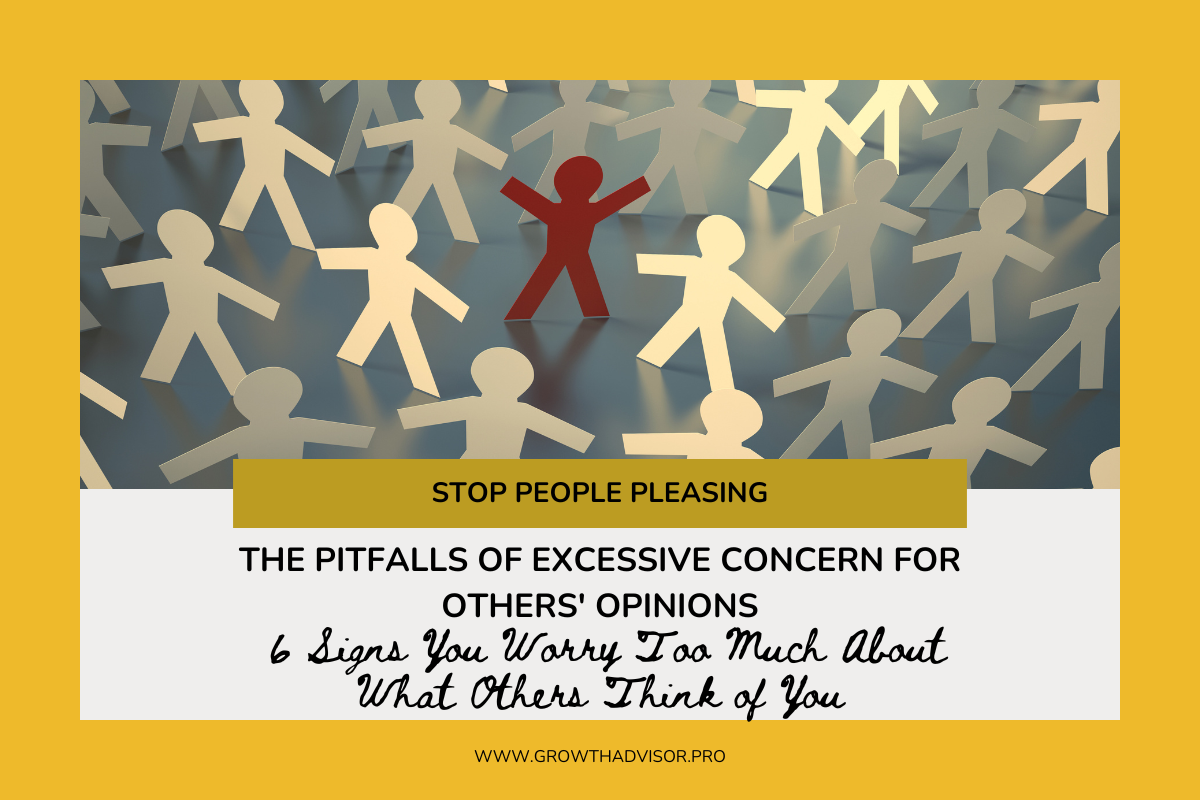
In today’s world, where social media and societal expectations dominate, it is natural to care about what others think of us to some extent. However, for some individuals, this concern becomes overwhelming, hindering their ability to live authentically and pursue their desires. In this article, we will explore six telltale signs that indicate an excessive preoccupation with others’ opinions, the potential consequences of this behavior, and strategies to overcome it.
A Desperate Desire for Universal Approval
One of the most prominent signs of being overly concerned about others’ opinions is a constant need for universal approval. You find yourself bending over backward to please everyone around you, even if it means compromising your true self. By doing so, you sacrifice your authenticity, leading to feelings of emptiness and loneliness. It is crucial to recognize that pleasing everyone is an impossible feat and that true connections are built on honesty and mutual respect, not on trying to be someone you are not.
The Inability to Say No
If you find it challenging to say no to others’ requests, even when it negatively impacts your own well-being, it may be a sign of excessive worry about what others think. The fear of disappointing people leads you to overextend yourself, often at the expense of your own priorities and personal boundaries. Learning to set boundaries and communicate honestly is essential for maintaining healthy relationships and self-preservation.
Constant Worry About Communication
People who worry excessively about others’ opinions often find themselves constantly second-guessing their words and manner of speaking. This self-censorship can stifle creativity and authenticity, making it difficult to express yourself openly. Embracing your true voice and being unapologetically yourself can foster meaningful connections and attract like-minded individuals who appreciate you for who you are.
Overanalyzing Perceived Shortcomings
Individuals who obsessively worry about what others think tend to scrutinize themselves excessively. They fear falling short of expectations and regularly evaluate themselves through the eyes of others. This self-criticism perpetuates a cycle of negativity, leading to a lack of self-confidence and self-acceptance. Recognizing that everyone has imperfections and that self-worth goes beyond external validation is crucial for breaking free from this destructive pattern.
Struggling with Feedback
Receiving constructive criticism is a part of personal growth and development. However, if you find yourself unable to handle feedback, it may indicate an excessive concern about others’ opinions. Negative feedback might be perceived as a personal attack, leading to feelings of inadequacy and self-doubt. Instead, viewing feedback as an opportunity for growth and learning can transform it into a valuable tool for self-improvement.
Reluctance to Seek Help
Paradoxically, individuals who worry too much about others’ opinions often hesitate to ask for help when they need it. This reluctance stems from the fear of being judged as incapable or incompetent. However, seeking assistance is a sign of strength and self-awareness, not weakness. Embracing vulnerability and acknowledging that everyone needs support at times can lead to more meaningful connections and personal growth.
Consequences and Ways to Overcome Excessive Concern
Excessive worry about others’ opinions can have detrimental effects on mental health, self-esteem, and overall life satisfaction. It can lead to anxiety, depression, and a constant feeling of inadequacy. To overcome this challenge, consider the following strategies:
- Cultivate Self-Compassion: Practice being kind to yourself and treat yourself with the same compassion you would offer a friend facing similar struggles.
- Identify Core Values: Understand your core values and live in alignment with them, regardless of external judgments.
- Challenge Cognitive Distortions: Recognize and challenge negative thought patterns that fuel excessive worry about others’ opinions.
- Surround Yourself with Supportive Individuals: Build a network of supportive and understanding friends who appreciate you for who you are.
- Seek Professional Help: If excessive worry significantly impacts your daily life, consider seeking guidance from a therapist or counselor.
Conclusion
While caring about others’ opinions is normal, excessive concern can hinder personal growth and happiness. By recognizing the signs of this behavior and taking proactive steps to overcome it, individuals can free themselves from the burden of external validation and embrace a more authentic and fulfilling life. Remember, the key to genuine connections and self-acceptance lies in staying true to yourself, regardless of others’ opinions.