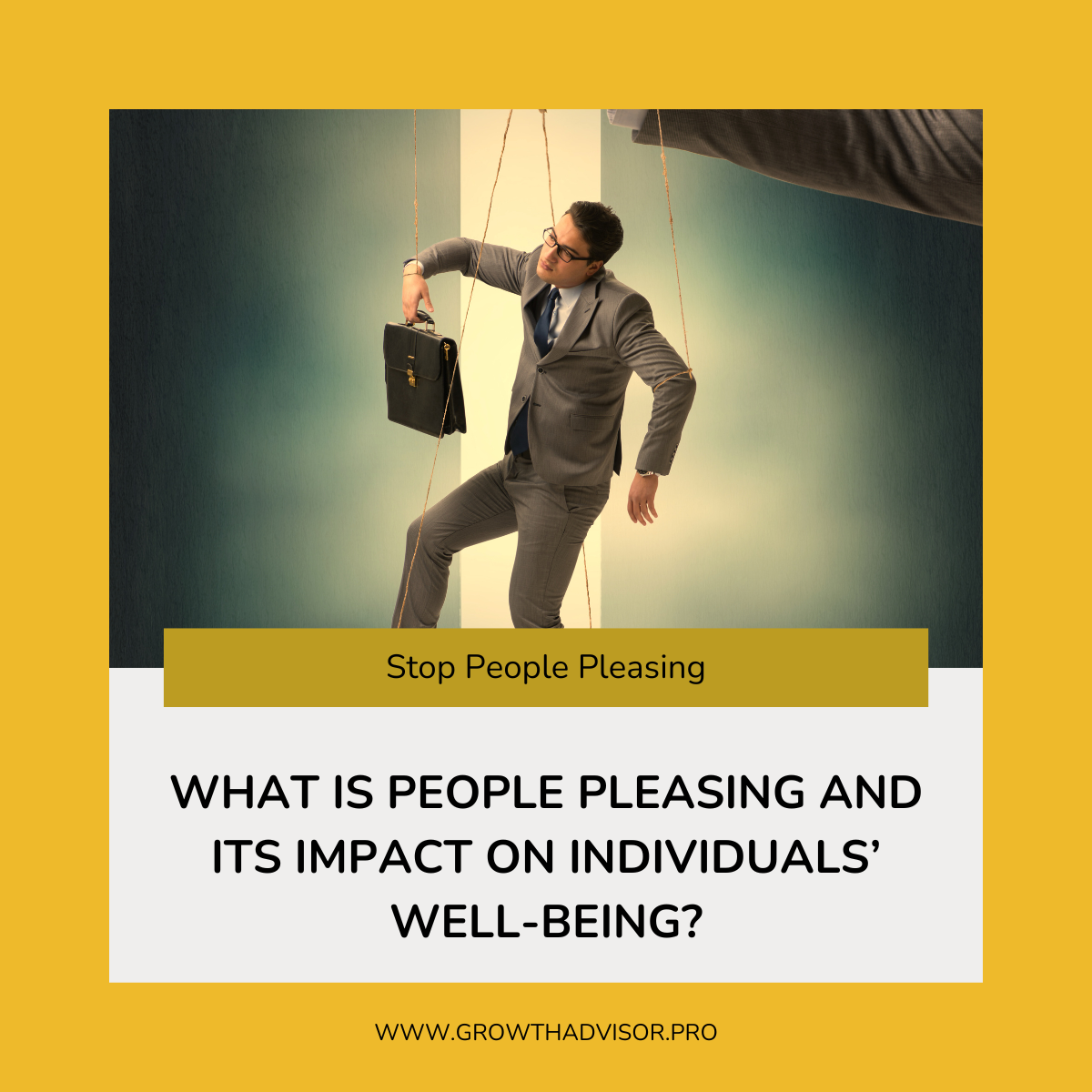
From a very young age, most individuals are taught the values of kindness, empathy, and being considerate of others. These qualities are essential for fostering healthy relationships and creating a harmonious society. However, for some individuals, the desire to please others can become an all-consuming drive that goes beyond simple acts of kindness and compromises their own well-being and personal growth.
People pleasing, at its core, is the tendency to prioritize the needs and desires of others over one’s own. While this inclination may seem selfless and noble on the surface, it can lead to detrimental consequences when taken to extremes. To fully comprehend the concept of people pleasing and its far-reaching implications, it is crucial to delve deeper into its signs and distinguish between healthy kindness and a potentially harmful pattern of behavior.
One of the defining signs of being a people pleaser is the tendency to act differently in front of various people. In an effort to cater to different expectations, people pleasers often find themselves adopting different personas or altering their behavior depending on the individual or group they are interacting with. This constant shifting of one’s authentic self can be emotionally exhausting, leading to feelings of disconnection and a lack of true identity.
Another prominent indicator of people pleasing is the relentless need for praise and validation from others. People pleasers often rely heavily on external approval and seek validation even for the most mundane tasks or accomplishments. They may feel an incessant urge to hear positive feedback, equating it with their own self-worth. This dependence on others’ opinions can create a cycle of seeking validation, which not only depletes their emotional energy but also erodes their sense of intrinsic value and self-esteem.
Moreover, people pleasers tend to struggle with saying “no” and setting healthy boundaries. They fear that declining a request or expressing their own needs and preferences will lead to disapproval, rejection, or even potential conflict. Consequently, they find themselves constantly saying “yes” to others, even when it is detrimental to their own well-being and personal priorities. This pattern can result in feelings of resentment, overwhelm, and an overall inability to prioritize self-care and self-fulfillment.
Furthermore, people pleasers often engage in excessive apologizing, even when they have done nothing wrong. They internalize the responsibility for situations that are beyond their control, believing that taking the blame will maintain harmony and prevent any form of conflict. This habit not only erodes their self-confidence but also reinforces the false belief that they are solely responsible for others’ emotions and experiences, further burdening themselves emotionally.
In conversations and interactions, people pleasers frequently find themselves agreeing with others even when they hold differing opinions or beliefs. They prioritize maintaining harmony and avoiding conflict over expressing their authentic thoughts and perspectives. This tendency to suppress their own voice can lead to feelings of inner conflict, resentment, and an overall lack of fulfillment in their relationships.
Moreover, people pleasers often find that they neglect their own needs and personal goals in favor of helping others. They constantly put the needs of others before their own and become overcommitted and stretched thin as a result. They struggle to carve out time for themselves, believing that their own needs can wait while others take priority. This neglect of self-care and personal fulfillment can have long-term consequences, including increased stress levels, burnout, and a diminished sense of self and purpose.
The root cause of people pleasing often lies in the belief that prioritizing others’ needs above one’s own is virtuous and morally superior. While it is undoubtedly important to show compassion and consideration towards others, it is equally crucial to establish healthy boundaries and prioritize self-care. Continuously neglecting one’s own needs and desires can lead to a diminished sense of self, increased stress, and a decreased ability to cultivate fulfilling relationships.
Recognizing and addressing people pleasing tendencies is essential for individuals to reclaim their sense of self and establish healthier patterns of behavior. This can be achieved through self-reflection, setting clear boundaries, practicing assertiveness, and nurturing self-compassion. Learning to prioritize one’s own well-being and needs is not only vital for personal growth and fulfillment but also for building authentic and balanced relationships with others.
In conclusion, people pleasing, though rooted in the desire to be kind and considerate, can have profound negative implications for individuals’ well-being. The signs of people pleasing include acting differently in front of various people, seeking constant praise and validation, difficulty saying “no” and setting boundaries, excessive apologizing, agreeing even when disagreeing, and neglecting personal needs and goals. While it is important to prioritize the well-being of others, individuals must also recognize the significance of self-care and the importance of setting healthy boundaries. By doing so, they can cultivate more authentic relationships, foster personal growth, and ultimately achieve a greater sense of fulfillment and happiness in their lives.

