What is one question you hate to be asked? Explain.
There’s a question that lurks in conversations, a seemingly innocent inquiry that can quickly turn into a minor annoyance: “What are you doing instead?” This question often pops up after you decline an invitation or politely refuse a request.
It implies that our time is only valuable if spent on the asker’s terms. It’s a subtle way of pressuring us to explain ourselves, to somehow justify our priorities.
While it might appear harmless, the subtext can be grating. It implies that your refusal needs justification, that your time requires explanation and comparison. It’s as if your “no” isn’t enough, that it needs to be weighed against the importance of the other activity.
Do you really need to explain that you’d rather curl up with a good book, catch up on sleep, or simply enjoy some quiet time at home? Why does the alternative need to be something equally productive or social?
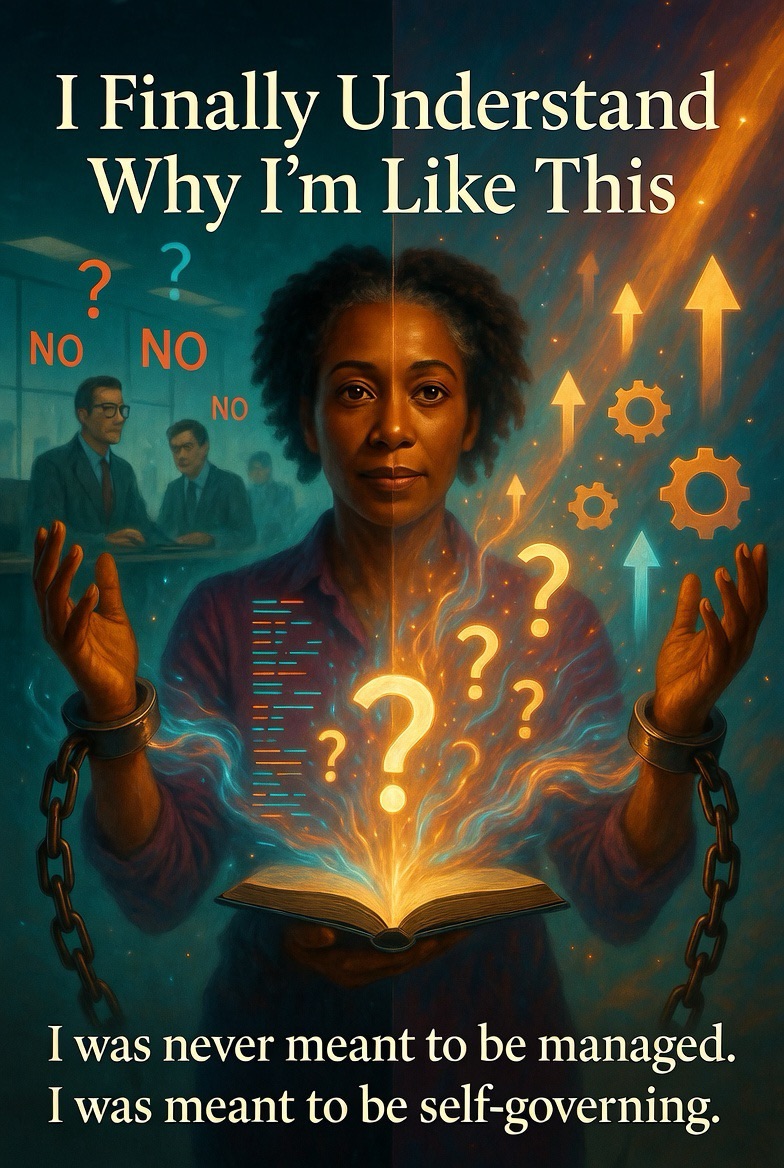
Here’s the truth: your “no” is absolutely sufficient. You don’t owe anyone an explanation for prioritizing your own time and energy.
Why I Hate This Question
There are a few reasons why “What are you doing instead?” can be so frustrating:
- It undermines your decision. It implies your initial refusal wasn’t well-considered.
- It creates a competition for your time. Suddenly, your reason for declining needs to be “good enough” compared to the proposed activity.
- It assumes your time needs justification. You shouldn’t have to explain why you want to spend your free time a certain way.
Taking Back Your Time
The next time someone throws this question your way, here are some options:
- A Simple “No Thanks” – Sometimes the best response is a polite and firm, “No thanks.”
- A Boundary-Setting Response – “I appreciate the invitation, but I’m taking some time for myself today.”
- A Lighthearted Dodge – “Top-secret mission, can’t tell you a thing!” (use with caution depending on the situation)
Remember, your time is valuable. You have the right to decline invitations and requests without needing to explain yourself. A simple “no” is a complete sentence, and it deserves to be respected.
Let’s move away from the pressure of “What are you doing instead?” and embrace the power of a clear and confident “no.”