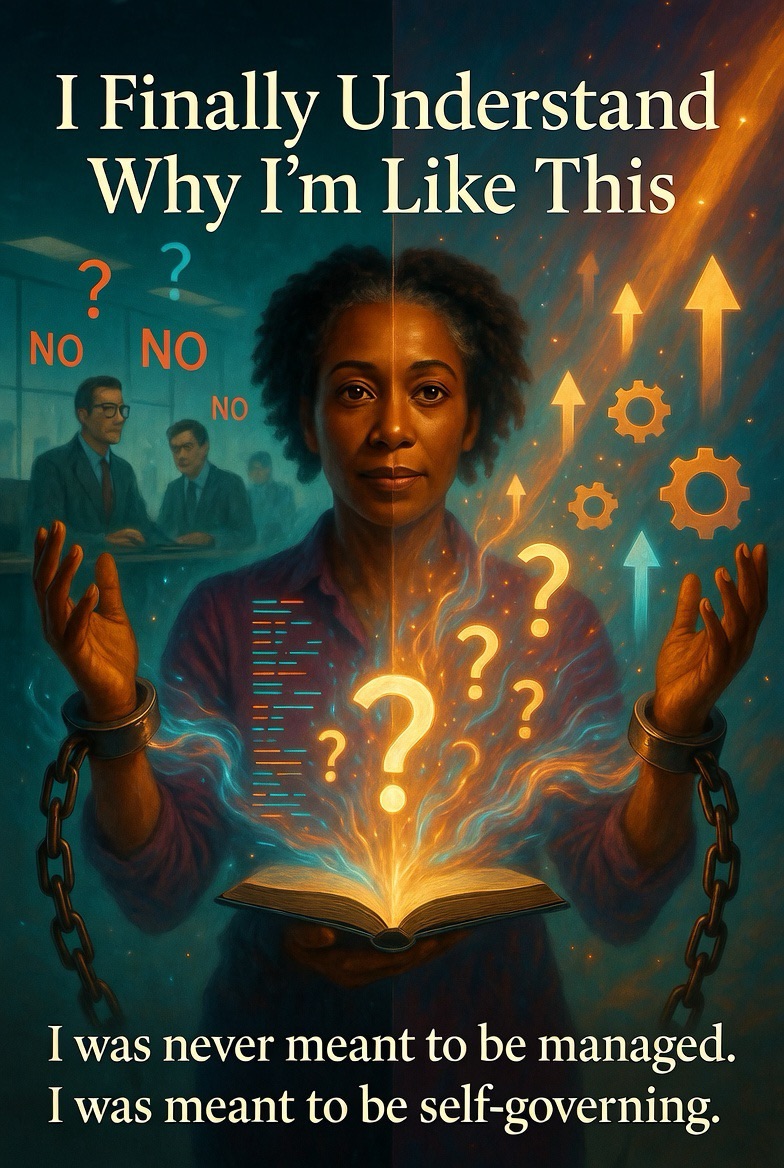
In today’s world, it’s easy to fall into the trap of blame and victimhood. We often find ourselves pointing fingers at external factors for our misfortunes, absolving ourselves of any accountability. However, true empowerment lies in embracing personal responsibility. It’s about recognizing the power we have to shape our lives, regardless of the circumstances we face.
Personal responsibility is not about self-blame or denying the influence of external factors. It’s about acknowledging our role in every situation and focusing on what we can control – our actions, attitudes, and responses. This shift in perspective can lead to profound personal growth, improved relationships, and greater success in all areas of life.
Breaking Free from the Blame Game
While it’s natural to feel frustrated or disappointed when things go wrong, dwelling on blame is counterproductive. Psychotherapist Nancy Collier emphasizes that while it’s healthy to identify responsibility in a situation, chronic blaming hinders personal growth.
Here are some signs you might be stuck in a blame cycle:
- Deflecting responsibility: Do you instinctively shift blame to others when faced with a problem, even before considering your own role?
- Playing the critic: Do you find yourself constantly pointing out the flaws and mistakes of others?
- Focusing on fault: When challenges arise, do you spend more time assigning blame than seeking solutions?
- Externalizing emotions: Do you blame others for how you feel in a difficult situation, rather than taking ownership of your emotional responses?
By recognizing these patterns, you can start to break free from the blame game and take a more proactive approach to life’s challenges.
The Power of Perspective: Don’t Take it Personally
It’s human nature to care about what others think, but allowing their opinions to dictate your self-worth is a recipe for unhappiness. Psychotherapist Ilene Strauss Cohen highlights the importance of cultivating a strong sense of self, independent of external validation.
This involves:
- Recognizing your inherent worth: Understand that your value as a person is not contingent on the opinions or actions of others.
- Identifying your triggers: Become aware of the situations and behaviors that evoke strong emotional reactions in you.
- Practicing emotional detachment: Learn to let go of hurtful comments or actions, recognizing that they often stem from the other person’s own issues and insecurities.
When faced with criticism or negativity, take a step back and assess the situation objectively. Ask yourself:
- Is this criticism valid? If so, how can I use it constructively to improve myself?
- Is my emotional reaction proportionate to the situation? Am I allowing past experiences or insecurities to cloud my judgment?
By taking ownership of your emotional responses, you can avoid unnecessary drama and maintain inner peace.
Cultivating Calm and Confidence
Taking personal responsibility can be empowering. It allows you to approach life’s challenges with a sense of agency and control. This, in turn, fosters a calm and confident demeanor, which equips you to handle difficult situations more effectively.
When you know you’re in the driver’s seat of your life, you’re less likely to feel overwhelmed or helpless when faced with obstacles. You develop a sense of trust in your ability to navigate challenges and make choices that align with your values and goals.
Starting with Self-Care
The journey to personal responsibility begins with taking care of yourself. Steve Ross, PhD, suggests prioritizing your basic needs as a foundation for personal growth.
Remember the acronym HALT:
- Hungry: Ensure you’re nourishing your body with healthy food.
- Angry: Address any unresolved anger or resentment.
- Lonely: Nurture meaningful connections and seek support when needed.
- Tired: Prioritize rest and relaxation to avoid burnout.
By attending to your physical and emotional well-being, you create a solid base from which to take on greater responsibilities in your life.
Expanding Your Circle of Responsibility
Once you’ve mastered the art of personal responsibility in your own life, you can extend it outwards to your relationships, your community, and even the world at large.
This might involve:
- Taking ownership of your role in conflicts: Instead of blaming others, focus on understanding their perspective and finding mutually beneficial solutions.
- Being accountable for your commitments: Follow through on your promises and be reliable in your interactions with others.
- Contributing to your community: Volunteer your time, support local businesses, or get involved in initiatives that make a positive impact.
- Making conscious choices: Consider the impact of your actions on the environment and society, and strive to live in a way that aligns with your values.
By embracing personal responsibility, you not only empower yourself but also inspire those around you to do the same. You become a catalyst for positive change, creating a ripple effect that extends far beyond your immediate sphere of influence.
The Rewards of Responsibility
Taking ownership of your life is not always easy. It requires courage, self-awareness, and a willingness to challenge your own assumptions and biases. However, the rewards are immeasurable.
When you embrace personal responsibility, you:
- Gain control of your life: You move from feeling like a victim of circumstance to an active participant in shaping your destiny.
- Develop resilience: You learn to bounce back from setbacks, viewing them as opportunities for growth rather than reasons to give up.
- Build stronger relationships: You create trust and respect by being accountable for your actions and honoring your commitments.
- Achieve greater success: You set yourself up for success by taking initiative, pursuing your goals with determination, and learning from your mistakes.
- Live a more meaningful life: You find purpose and fulfillment in contributing to something larger than yourself.
Personal responsibility is not a destination but a journey. It’s a continuous process of self-reflection, growth, and learning. By embracing this journey, you unlock your full potential and create a life of purpose, fulfillment, and lasting impact.