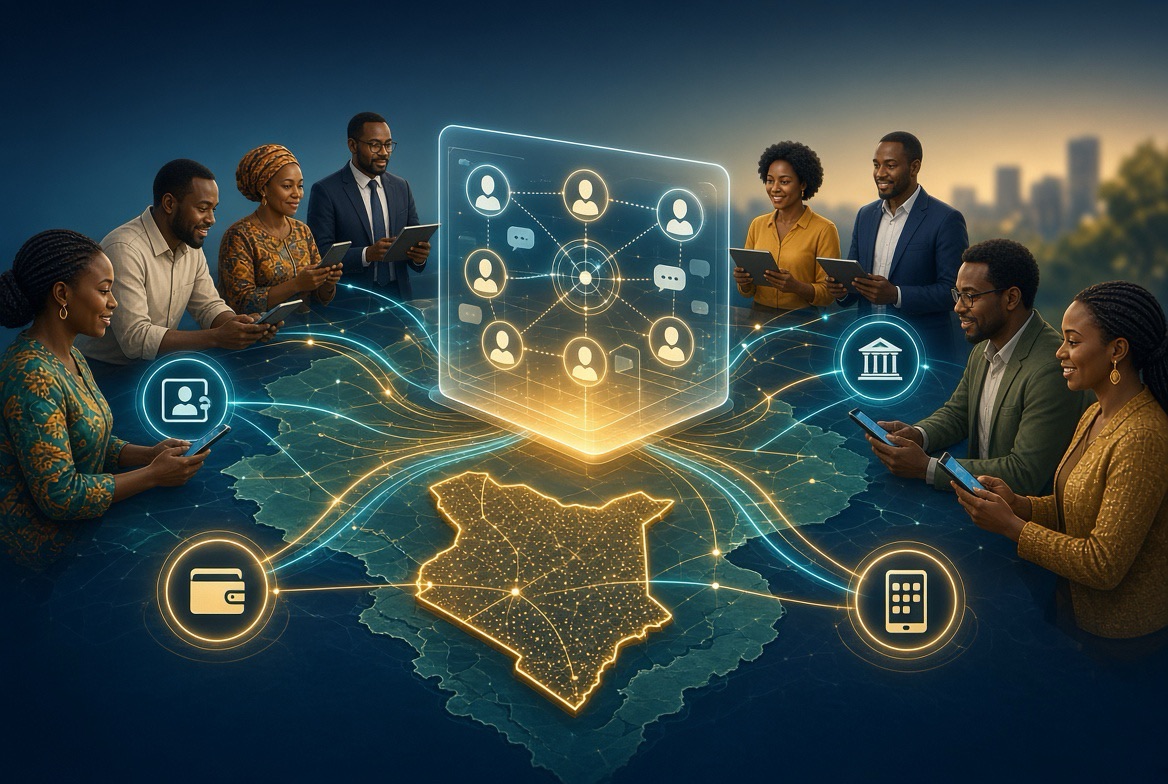
The concept of Government as a Platform (GaaP) revolves around leveraging digital technologies to enable government entities to share data, software, and services. This innovative model aims to enhance accessibility and effectiveness in the delivery of public services. Imagine a government acting as an intermediary, fostering cooperation, connecting citizens and providers, and pioneering groundbreaking approaches to public service provision. By embracing Government as a Platform, governmental and non-governmental organisations can collaborate to deliver the next generation of public services.
The digital landscape is reshaping how organisations offer public services, blurring the boundaries between government, businesses, and civil society. Across the globe, public service executives are increasingly investing in new technologies to transform their services. Artificial intelligence and the Internet of Things (IoT) are gaining significant attention, with 70 per cent of executives planning investments in AI and 67 per cent in IoT. Extensive research has revealed that even the most prepared countries (such as Singapore, the UK, and the United States) have room for progress across all dimensions of Government as a Platform. These dimensions include establishing a solid foundation, fostering an environment of change and innovation, supporting economic development, and innovating in public service delivery.
According to the Accenture Technology Vision 2018 report, a remarkable 82 per cent of global public service executives believe that organisations are integrating themselves into people’s lives through technology, with platforms playing a crucial role. The most successful platforms are tailored to specific priorities, situational requirements, and existing capacities, offering various choices for governmental agencies to consider.
Whole-of-Government Platform: Driving Collaboration and Innovation
The public sector plays a crucial role in fostering a culture of cooperation among stakeholders. The Whole-of-Government platform is particularly suited for countries with a robust and unified commitment at the federal level to digital transformation and public services. This type of platform serves as a central hub, providing access to cross-government information and resources. Residents greatly benefit from these integrated portals, with 6 out of 10 people in the US expressing a preference for a centralised online platform for accessing public services.
Successful examples of this approach include the Government Digital Service in the United Kingdom and the Australian Taxation Office. In Norway, the Altinn network is being explored to enhance collaboration with businesses and civil society, including initiatives like crowdsourcing activities. Altinn not only offers a technological framework and tools but also enables government agencies and companies to develop innovative programs, extending beyond a mere online portal and streamlining business reporting processes.
To foster innovation, third-party stakeholders need to connect with the platform and contribute value-added services while also sharing common data with platform partners. Discussions are underway to position Altinn as the trusted source of data for Norway’s digital economy, functioning as a secure gateway for citizen data. This ensures the protection and integrity of personal information while enabling seamless data flow.
Peer Platforms: Enhancing Data Exchange and Service Delivery
A peer platform is a service-centric and vertically integrated network established by two or more government agencies. These platforms are designed to streamline data exchange and minimise the number of information sources and service providers involved. The need for data exchange has become increasingly vital, with 85 per cent of global public service executives recognising the importance of data for essential and automated decision-making at an unprecedented scale. Peer networks also facilitate targeted projects focused on specific areas of public service.
This platform approach is particularly beneficial for countries that lack a unified public digital services platform and seek improved implementation across multiple policy areas, such as small business funding and licensing, which involve numerous public departments operating at both federal and state/local levels.
Government regulatory and licensing agencies can benefit by adopting a peer platform. While prioritising public welfare, these organisations need to evolve into more proactive partners, drawing inspiration from the success of the private sector. While progress is being made, a digital divide still exists in many agencies as they strive to become truly digital and leverage the opportunities presented by technology.
Ecosystem Platforms: Fostering Collaboration and Innovation
In an ecosystem platform, the government plays the role of an orchestrator or central entity, operating as a transparent and outcome-oriented platform that collaborates with non-governmental actors and delivers services. This co-creation model encourages natural collaborations and cultivates new value and innovation through unconventional means. An overwhelming majority (91%) of global public service executives recognise the importance of embracing a platform-based business model and engaging in collaborations within ecosystems. Consequently, public service administrators are actively planning for increased cooperation within these ecosystems, including sharing a more significant amount of data with partners. This approach proves to be effective in addressing complex policy challenges that a single service provider, such as youth unemployment and training cannot adequately manage.
One notable example of an effective ecosystem network is Pôle Emploi, the French agency for public job services. Pôle Emploi launched “L’Emploi Store,” an open portal that allows individuals to download job-related apps developed by Pôle Emploi and third-party providers. The agency also partnered with an online education provider, enabling job seekers to access over 1,000 online courses. Furthermore, Pôle Emploi established “Le Lab,” an internal innovation centre dedicated to fostering the development of new digital services for job seekers, employers, counsellors, and start-ups. These initiatives demonstrate the successful integration of an ecosystem platform to enhance collaboration and provide innovative solutions within the job services sector.
Crowdsourcing Platforms: Leveraging Collaboration, Innovation, and Collective Intelligence
The crowdsourcing platform represents a collaborative and innovation-driven approach where governments actively engage with residents, corporations, other government organisations, or NGOs. In this model, the government acts as an orchestrator or platform for cooperation, allowing participants to contribute with largely undefined roles. This type of forum is particularly well-suited for countries facing new policy challenges that require innovative problem-solving from civil society.
One notable application of crowdsourcing platforms was witnessed during the COVID-19 pandemic. Governments worldwide turned to crowdsourcing to harness the collective intelligence and resources of the public in combating the outbreak.
Citizens were invited to participate in various crowdsourcing initiatives aimed at addressing different aspects of the pandemic. These initiatives sought public input on diverse topics such as developing innovative solutions for healthcare delivery, identifying potential treatments or vaccines, improving contact tracing efforts, and promoting public health awareness campaigns.
Crowdsourcing platforms allow governments to tap into the knowledge and creativity of individuals from various backgrounds. Citizens could contribute their ideas, share relevant information, propose strategies, or even develop technological solutions to aid in the fight against COVID-19. By engaging the public through crowdsourcing, governments gained access to vast expertise and perspectives, enabling more effective decision-making and problem-solving in real-time.
Furthermore, crowdsourcing efforts helped foster a sense of collective responsibility and solidarity among citizens. People felt empowered and connected as they actively participated in shaping responses to the pandemic, knowing that their contributions could make a difference in the overall public health outcomes.
Through the collaborative nature of crowdsourcing platforms, governments and citizens alike were able to come together, leverage their collective intelligence, and address the complex challenges posed by the COVID-19 pandemic. The use of crowdsourcing during this crisis exemplified the power of collaboration, innovation, and community engagement in times of global emergencies.
Citizen-Centric Government: Empowering People through Digital Transformation
In order to prioritise citizen productivity, governments are actively engaging in a digital transformation that extends to recording systems. This transformation not only enhances data insights but also allows for a better understanding of citizens’ expectations, enabling the provision of previously unfeasible services under traditional data management approaches. The comprehensive digitisation of systems and processes plays a vital role in enabling governments to deliver public services in a more creative and effective manner. Central to this transformation is the expansion of a popular digital project delivery system, supported by a collection of IT architectures that embrace open systems, standards, and APIs, while ensuring the integrity, stability, and reliability of existing high-volume transactional systems.
Under the concept of “Government as a Platform,” governments are revamping their IT infrastructure to create a centralised, cross-departmental architecture that promotes greater interoperability among IT systems and operating departments. Currently, there exists a gap between central government and local government IT systems. However, the vision of Government as a Platform aims to bridge this gap, serving as a foundation for every solution and closing the void. By implementing this strategy, the potential benefits of service enhancement and cost reduction can extend from the central government to the local government. It also presents opportunities to optimise expenditures and achieve long-term savings.
By placing citizens at the centre of governments’ digital transformation efforts, the aim is to create a more citizen-centric approach. This approach ensures that services are tailored to meet citizens’ needs and expectations, delivering a seamless and personalised experience. Through enhanced interoperability, streamlined processes, and improved data management, the government strives to empower citizens with efficient access to a wide range of services while fostering a stronger relationship with them. This citizen-centric government model represents a significant step towards a more inclusive, responsive, and digitally enabled public sector.
Enabling Digital Sustainability
To ensure agility and rapid program redesign, departments with large transactional systems are embracing modern open frameworks and agile delivery methodologies. This approach allows for the swift iteration and implementation of digital operations without the need for costly and extensive migration projects.
Digital channels not only provide people with more specific and more convenient services but also enable enhanced data analysis. By leveraging this concept, data can be easily collected and presented in innovative ways. In addition to the shift towards shared IT infrastructure and models, the government is also prioritising the expansion of shared resources and platforms. Successful initiatives like ISSC2 have already been launched, and there is a growing recognition of the importance of integrating IT and service delivery with other shared service approaches.
During the transition process, the complexity of existing legacy structures necessitates careful consideration of various components. Rather than focusing solely on implementing new technologies that may eventually require replacement, the emphasis should be on the viability of delivering digital services from the outset.
An architectural solution that can address these requirements without extensive customisation is essential. The most effective approach involves building and adapting a standard framework solution within the existing environment, allowing organisations to leverage their legacy structures and enable data utilisation in a new architecture. By extracting valuable data from legacy operating frameworks and migrating it to new open-source platforms, better services and more informed decision-making can be achieved.
Digital sustainability is at the core of the Government as a Platform vision, where modernisation efforts are coupled with adaptability, efficiency, and the ability to maximise the value of existing systems. This holistic approach ensures that the government can leverage its heritage structures while embracing innovative technologies and platforms, leading to improved services and data-driven decision-making.
Building a Foundation for Digital Sustainability
In order to ensure the sustainability of government policies and practices, government-wide agencies must assess the viability of adopting current and emerging methods. This evaluation involves a comprehensive analysis of existing systems, including heritage IT and open systems, as well as modern online operating databases and conventional data warehouses. It is crucial to understand the different workloads and applications running on each system to achieve this goal.
By carefully considering operational requirements, it is possible to strike a balance between scalability and personalisation, meeting the expectations of mass online services while maintaining a unified architecture. This approach allows for the achievement of “Digital BAU” (Business as Usual), which can be examined through the lenses of people, business processes, and the underlying IT architecture. As organisations and government departments progress along their digital transformation journey, there is a need for evolutionary change in each of these areas to ensure ongoing success and maturity.
Digital inclusion
In Kenya, the e-Citizen platform has emerged as a prime example of leveraging digital technology to enhance government service delivery and promote digital inclusion. E-Citizen provides a centralised online portal that offers a wide range of government services to Kenyan citizens, businesses, and visitors.
Through the e-Citizen platform, Kenyans can access various government services conveniently from anywhere with an internet connection. These services include applying for passports, driver’s licenses, birth certificates, and business registration, among others. By digitising these processes, e-Citizen simplifies and expedites service delivery, saving citizens time and reducing bureaucratic hurdles.
One of the key advantages of e-Citizen is its user-friendly interface, designed to cater to individuals with varying levels of digital literacy. The platform provides clear instructions and guidance, making it accessible even to those who are less familiar with the technology. Additionally, e-Citizen offers support through call centres and physical Huduma Centers, where individuals can receive assistance in navigating the platform and completing their transactions.
To ensure inclusivity, e-Citizen takes into account the diverse needs of Kenyan citizens. The platform is available in multiple languages, including English and Swahili, which are widely spoken in the country. This linguistic inclusivity enables more people to engage with government services comfortably.
E-Citizen also addresses affordability concerns by offering flexible payment options. Users can pay for services through various electronic payment methods, including mobile money platforms such as M-PESA, which is widely used across Kenya. This accessibility to digital payment channels eliminates the need for individuals to rely solely on traditional banking services.
Furthermore, the government of Kenya has been proactive in promoting e-Citizen and digital literacy initiatives. Awareness campaigns and training programs have been conducted to educate citizens about the benefits of e-Citizen and how to utilise its services effectively. By fostering digital skills development, the government is empowering Kenyans to navigate the digital landscape and take advantage of the opportunities provided by e-Citizen.
The success of e-Citizen in Kenya serves as a testament to the transformative power of digital government services. It demonstrates how leveraging technology can enhance accessibility, efficiency, and transparency in public service delivery while promoting digital inclusion. As other countries in Africa work towards similar initiatives, the Kenyan experience with e-Citizen can serve as an inspiring model to guide their efforts in advancing digital government services and fostering inclusivity.
Open Government: Empowering Kenyans through Accessible and Transparent Services
In Kenya, the concept of Open Government is gaining momentum as a means to drive private-sector innovation and empower citizens through access to government information. Embracing open application programming interfaces (APIs) is seen as crucial to facilitating collaboration between the government and private enterprises.
The Kenyan government recognises the importance of allowing individuals to access and manage their personal information held by government entities. In line with this, data requirements are being defined to ensure citizens have the ability to control their data and make informed decisions. By adopting a shared technology approach, different government departments can collaborate and monitor the flow of information, determining what should be shared and accessed while respecting privacy and security concerns.
This emphasis on open government also presents opportunities for the government to explore innovative ways of using information for the benefit of its citizens. For instance, individuals may have access to a personalised online platform, similar to the Gov.Uk space, where they can conveniently handle various aspects of their lives, including interactions with government services and products.
The aim of Open Government in Kenya is to foster transparency, accountability, and citizen-centric services. By providing open APIs and enabling data accessibility, the government encourages private-sector innovation and collaboration. This not only benefits individuals by offering them greater control over their data but also creates avenues for businesses to develop innovative solutions that cater to the specific needs and preferences of Kenyan citizens.
Through Open Government initiatives, the Kenyan government aims to establish a more inclusive and participatory governance system. By involving citizens in decision-making processes and making relevant information readily accessible, the government fosters a culture of transparency, trust, and active citizen engagement.
As Kenya continues its journey towards Open Government, it sets an example for other nations in the region. By leveraging technology and embracing openness, Kenya paves the way for the creation of a more connected and digitally empowered society, where citizens have easier access to government services and are active participants in shaping the country’s future.
Cost Reduction Strategies: Managing Fraud and Errors, Increasing Savings, and Efficiency
To achieve cost reduction and operational efficiency, governments are increasingly turning to real-time information systems. These systems not only provide flexibility in service delivery but also offer powerful transaction analytics capabilities. Such capabilities are instrumental in addressing fraud, errors, and debt challenges within government operations.
Traditionally, identifying and rectifying fraudulent transactions or errors in government processes required manual intervention and post-transaction follow-up. This approach was time-consuming and often incurred significant costs. However, with real-time information systems, governments can detect anomalous transactions as they occur and take immediate action to prevent them from progressing. By proactively identifying and halting such transactions, governments can minimise costs and mitigate potential financial losses.
Real-time transaction analytics provide governments with valuable insights into transaction patterns and trends. This enables the early identification of potential fraud or errors, facilitating prompt intervention. By leveraging this capability, governments can reduce financial losses and preserve valuable resources.
Furthermore, real-time information systems help streamline processes and enhance operational efficiency. By automating the identification and prevention of fraudulent or erroneous transactions, governments can allocate resources more effectively and redirect manual efforts towards more productive tasks. This leads to increased savings and more efficient utilisation of public funds.
The adoption of real-time transaction analytics reflects a commitment to effective governance and fiscal responsibility. Governments that embrace these technologies are taking proactive measures to combat fraud, reduce errors, and optimise cost-saving opportunities.
Implementing real-time information systems and transaction analytics empowers governments to manage fraud and errors effectively, achieve cost-reduction goals, and enhance overall operational efficiency. By leveraging technology, governments can safeguard public resources, improve financial integrity, and contribute to transparent and accountable administration.
In summary, governments worldwide leverage real-time information systems and transaction analytics to combat fraud, reduce errors, increase savings, and enhance operational efficiency. These strategies contribute to effective governance, financial sustainability, and the optimal utilisation of public funds for the benefit of citizens.
Data Growth
As digital governments generate an increasing amount of data and experience a surge in the connected data flow from various sources such as people, processes, devices, and IoT, adopting a robust digital service development framework becomes crucial. This framework will accommodate the growth of data and enable its integration into citizen services. With the emergence of IoT and Smart City initiatives, utilising and integrating expansive data sets within citizen services will be paramount. Additionally, real-time access and data utilisation will be essential for certain services requiring quick responsiveness. However, it is important to note that data growth should not occur solely for the sake of it. It should be driven by the objective of enhancing the delivery of existing services and ultimately providing new services that support citizens in novel ways.
Availability of Services
During the transition from legacy systems to digital platforms, preserving the integrity of the underlying infrastructure for real-time processing becomes imperative. Adopting open-source platforms in a multi-data centre environment can introduce resilience by eliminating single points of failure. One approach to achieving this is the utilisation of “masterless” modules that can span multiple locations and withstand failures, ensuring uninterrupted service availability.
Privacy and Security of Data
Data custodians need to balance open access, confidentiality, and security in the case of the United Kingdom, Gov.UK.Verify serves as a critical component in ensuring data privacy and security. When data is exchanged between agencies, it is crucial to establish clear data travel rules. Furthermore, individuals should have simple methods to manage and regulate how their data is used, such as online portals that provide a comprehensive view of relevant information.
Conclusion
Transitioning to a Government-as-a-Platform model is pivotal for redefining the relationship between government, people, and businesses. While undertaking this transformation, it is essential to consider future requirements and ensure continuous service availability. Although the role is critical, gradual steps are already being taken, yielding tangible value and laying the foundation for the comprehensive transformation of legacy structures and facilities.
In the context of developing countries, policymakers must prioritise building the necessary IT infrastructure to ensure equitable support for the entire population in accessing digital service delivery systems. Digital technology, digital literacy, and affordable IT solutions must be accessible to bridge the digital divide and enable citizens with varying literacy and education levels to access a wide range of digital services. To achieve this, developed countries should heavily invest in digital infrastructure and educational initiatives to benefit everyone.
Transitioning requires the right technical and digital capabilities within government organisations. Two key strategies include investing in fresh digital talent and upskilling the existing workforce. Digital transformations demand advanced high-demand skills and may be challenging to acquire. Government agencies often need help to recruit top talent, as the private sector may offer more competitive salaries, a risk-taking environment, and clearly defined career paths. However, governments have found ways to attract and nurture IT talent for their digital endeavours. Once equipped with expertise and technology, engaging design thinking concepts becomes critical for successful transformation. Placing citizens at the centre and delivering value aligned with their needs can shift the government’s relationship with the people from punitive to value-driven.