
Human uniqueness is an extraordinary tapestry of diversity. In a world of over seven billion people, each of us is a distinct thread, woven together by the intricacies of our experiences, genetics, and choices. Yet, in this magnificent tapestry, some threads may appear frayed or uneven, and it’s these perceived imperfections that often lead to self-consciousness and insecurity. In the grand symphony of existence, learning to embrace all differences, especially our own imperfections, is not merely a choice; it’s an essential chord for living a happy and fulfilling life.
Embracing our imperfections, though, is not an overnight transformation but a journey requiring time, patience, and practice. However, with conscious effort, we can cultivate self-acceptance and wholeheartedly embrace what makes us unique. By doing so, we unlock the power to be our true selves, unburdened by self-doubt or societal pressures.
The Freedom of Imperfection
In a world that often demands perfection, it’s crucial to allow ourselves the freedom of not being in total control of every facet of our lives. Many of us set goals focused on changing different aspects of ourselves, whether it’s committing to a healthier lifestyle, pursuing a new career, or striving for personal growth. These aspirations are commendable, but we must also recognize that not everything about us is negotiable.
Some facets of our personality are as innate as the color of our eyes or the shape of our noses. They define us and contribute to our unique identity. Instead of setting unrealistic goals or forcing ourselves onto a strict path of change, we must learn to accept that we can’t control everything. Life’s unpredictability is both its beauty and its challenge.
Accepting our lack of control can be daunting, but it’s an inherent truth of human existence. Embracing the freedom of letting go and learning to accept ourselves, imperfections included, is an empowering step towards self-fulfillment.
The Universality of Flaws and Mistakes
In the pursuit of self-acceptance, it’s essential to remember that nobody on this planet is perfect. Perfection is a mirage, a fleeting illusion that no one can grasp for long. We all make mistakes, harbor insecurities, and possess flaws. These are not signs of weakness; they are testaments to our shared humanity.
In moments when we grapple with our imperfections, it’s comforting to know that we are not alone. You are not isolated in your struggles. The very qualities you perceive as imperfections are often the same ones that others wrestle with privately. There is a vast community of individuals who understand the pain of similar imperfections because they too bear their own burdens.
Psychology Today aptly suggests that when navigating these feelings of inadequacy, we should remind ourselves that we are not stranded on a lonely island. Instead, we are part of a vast archipelago of shared experiences and understandings, bound together by our shared humanity. This realization can be a source of strength and comfort as we journey towards self-acceptance.
Breaking Free from the Comparison Trap
One of the most significant obstacles on the path to self-acceptance is the insidious habit of comparing ourselves to others. It’s a trap that lures us into measuring our worth against someone else’s achievements, possessions, or perceived happiness. Yet, comparison is, as Theodore Roosevelt once said, “the thief of joy.”
When we scroll through our friends’ or acquaintances’ social media feeds, it’s challenging not to make comparisons. We see snapshots of their lives, often carefully curated to showcase their successes and happiest moments. It’s easy to forget that these posts are a highlight reel, not the unfiltered documentary of their lives.
We don’t see the tears behind the smiles, the mistakes behind the achievements, or the struggles behind the victories. When we compare ourselves to others based on these incomplete narratives, we do ourselves a great disservice.
Breaking free from the comparison trap means consciously choosing not to measure our lives against someone else’s. It means taking a step back from the relentless cycle of social media scrolling and recognizing that every person’s journey is unique. Just as we have imperfections and struggles, so do they. We must shift our focus away from their story and back to our own.
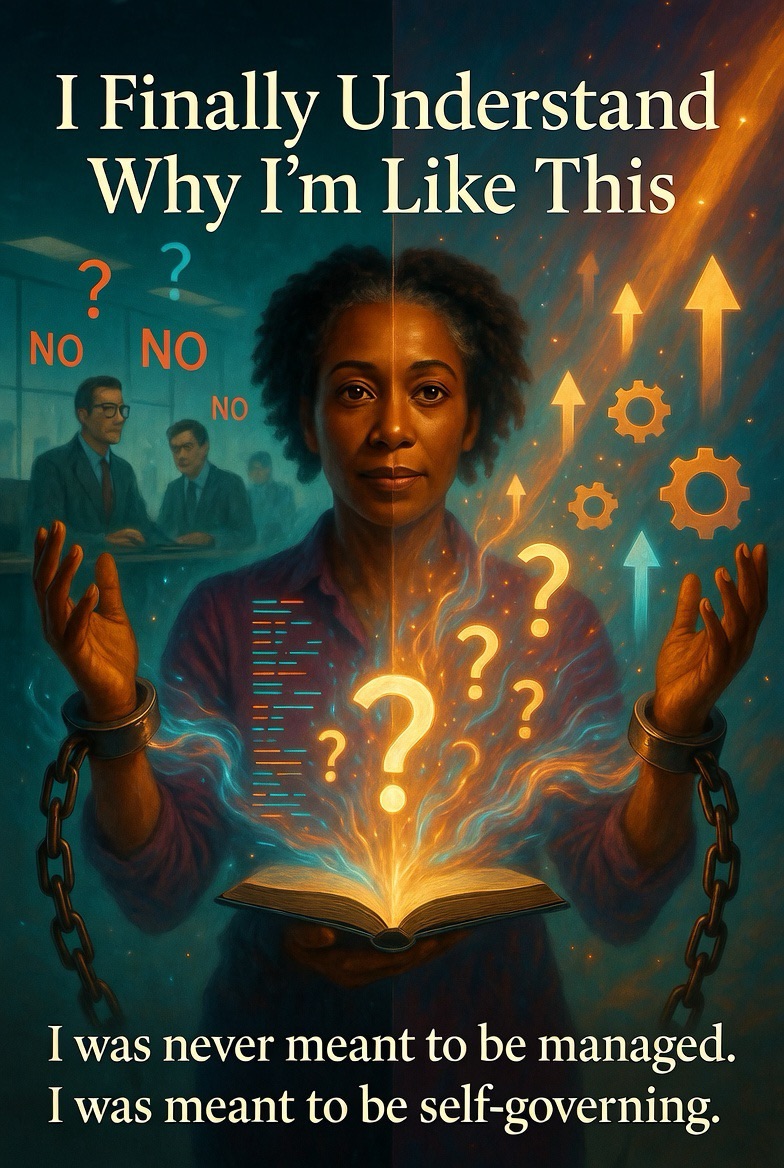
When we cease comparing ourselves to others, we liberate ourselves from the shackles of external validation and societal expectations. We regain the freedom to embark on our individual journey towards happiness, embracing our imperfections as valuable parts of our unique story.
The Journey Towards Self-Acceptance
Embracing our imperfections is a lifelong journey, but it’s a journey well worth taking. It’s a path that leads to self-acceptance, inner peace, and the freedom to live authentically. Here are some practical steps to guide you on this transformative journey:
1. Practice Self-Compassion: Treat yourself with the same kindness and understanding that you would offer to a close friend facing similar challenges. Remember that making mistakes and having imperfections is part of being human.
2. Challenge Negative Self-Talk: Pay attention to the language you use when talking to yourself. Replace self-criticism with self-affirmation. When you catch yourself thinking or saying something negative about yourself, counter it with a positive affirmation.
3. Set Realistic Expectations: Understand that perfection is an unattainable goal. Instead of striving for perfection, aim for personal growth and progress. Celebrate your achievements, no matter how small they may seem.
4. Seek Support: Share your struggles with trusted friends, family members, or a therapist. Sometimes, discussing your feelings and experiences with others can provide valuable insights and emotional support.
5. Focus on Your Passions: Engage in activities that bring you joy and a sense of purpose. Pursuing your passions can boost your self-esteem and help you connect with your authentic self.
6. Practice Mindfulness: Mindfulness techniques, such as meditation and deep breathing, can help you stay grounded in the present moment and reduce anxiety about the past or future.
7. Embrace Your Uniqueness: Recognize that your imperfections are what make you unique. They contribute to your individuality and can be a source of strength and resilience.
8. Cultivate Gratitude: Regularly reflect on the things you are grateful for in your life. Gratitude can shift your focus away from what you lack and toward the abundance that surrounds you.
9. Forgive Yourself: Let go of past mistakes and forgive yourself for any perceived shortcomings. Remember that growth and self-improvement are ongoing processes.
10. Seek Professional Help if Needed: If you find it challenging to cope with self-acceptance or if your self-doubt is significantly affecting your well-being, consider seeking the guidance of a mental health professional.
In conclusion, embracing our imperfections is a powerful act of self-love and self-acceptance. It’s a testament to our resilience as human beings and our capacity for growth and transformation. As we journey through life, let us remember that our imperfections are not blemishes on our character; they are the brushstrokes that create the masterpiece of our unique existence. By embracing our imperfections, we unlock the door to a happier, more authentic life—one in which we can shine brightly, imperfections and all.



One response to “Embrace Your Imperfections: A Journey to Self-Acceptance and Happiness”
Good read