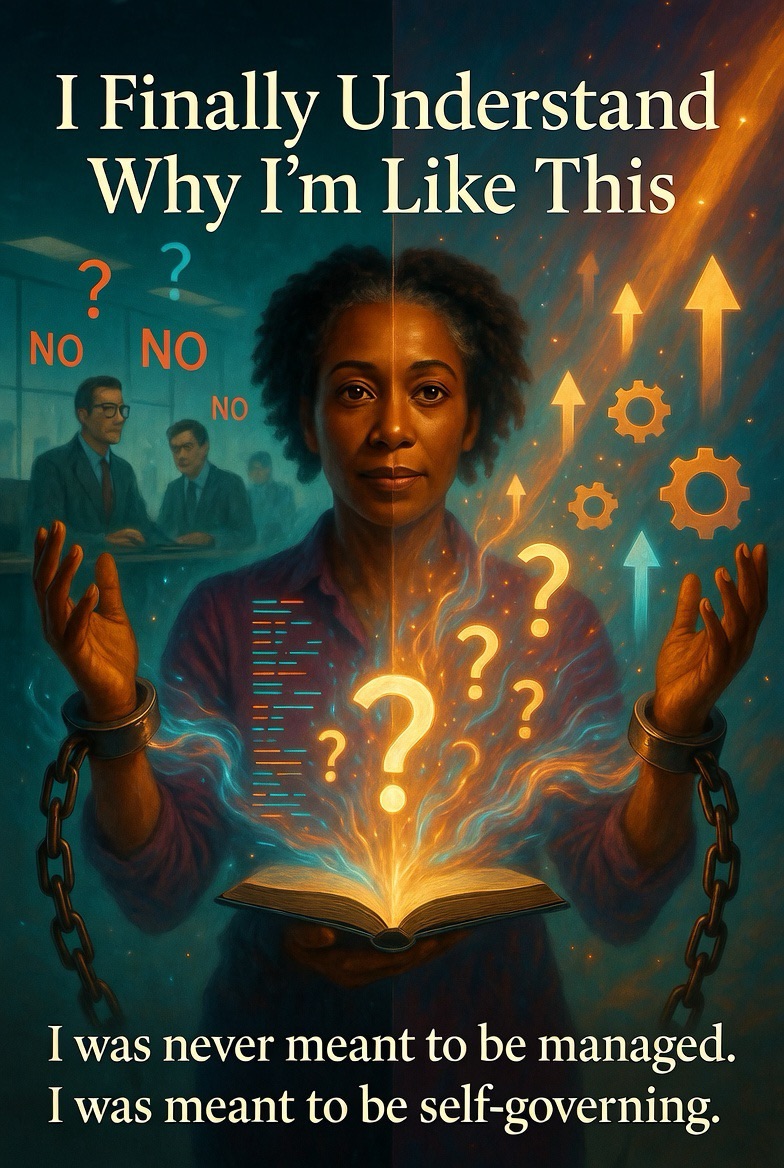
In the journey of life, we encounter countless opportunities to assert ourselves, to stand up and let our voice be heard. These moments range from the mundane, like someone cutting in front of us at the coffee shop, to the more significant, such as a colleague taking credit for our ideas. The ability to stand up for ourselves is a crucial aspect of personal development, enabling us to establish boundaries and communicate our needs effectively. In this exploration, we will delve into the top ten lessons you can learn about yourself when you choose to assert yourself in various situations.
- You Are Confident
Standing up for yourself can be an intimidating prospect, particularly when you’re unsure of how others will react. Yet, when you take that bold step to assert yourself, you’ll come to realize the depth of your inner confidence. Reflecting on your initial experiences of standing up for yourself, you’ll recall the empowering feeling that followed. This newfound confidence becomes an invaluable asset in your personal and professional life.
- You Are Strong
Confidence is but one facet of your inner strength. Even the most self-assured individuals sometimes struggle with asserting themselves and setting boundaries. When you choose to stand up for yourself, it signifies not only that you possess strength but also that you can tap into this reservoir of strength when needed. This knowledge is a potent force that can shape your life.
- You Are Capable
Regardless of the circumstances, standing up for yourself serves as a poignant reminder of your capabilities. Life often throws unexpected challenges our way, and knowing that you have the inner fortitude to face them head-on is a reassuring thought. Standing up for yourself reaffirms your resilience and adaptability.
- You Are Not A Doormat
Establishing boundaries and upholding them is a vital aspect of self-respect. When you refrain from standing up for yourself, you inadvertently send the message to others that you are a pushover—a metaphorical doormat. However, taking action to defend your boundaries communicates that you refuse to tolerate mistreatment. This is a pivotal lesson, as it reinforces the importance of self-respect.
- You Have Courage
Standing up and making your voice heard requires courage, especially when facing bullies or those with more power. It’s not always easy to challenge individuals who dislike dissent, but by doing so, you demonstrate your bravery. Recognizing your own courage in these moments can inspire further acts of assertiveness.
- Your Opinion Matters
Your opinions and ideas are valid and should be expressed when appropriate. In business meetings, for instance, you have the right to voice your thoughts, especially after giving others the opportunity to share their perspectives. When you summon the courage to speak up and contribute your ideas, you come to understand the significance of your opinions. This realization is crucial, as it prevents others from undermining your contributions.
- It’s Okay To Be Selfish Sometimes
In our hectic lives, we often fill our schedules to the brim, catering to the needs of others without considering our own. While altruism is commendable, neglecting your needs can lead to burnout and resentment. Learning to be a little selfish, to prioritize your well-being, is essential. Standing up for yourself is a means to enforce this self-care and balance.
- You Can Set Boundaries
Setting boundaries is fundamental to asserting yourself and defining how you expect others to treat you. When you stand up for yourself, you discover your capacity to establish these limits. Boundaries signify actions or behaviors you won’t tolerate from others, and realizing your ability to define and uphold these boundaries empowers you to maintain healthy relationships.
- You Deserve Respect
Low self-esteem often accompanies a propensity to be a pushover. However, when you begin to stand up for yourself, you recognize that you inherently deserve respect. While respect is earned in many instances, there exists a fundamental level of respect that every human deserves. You have the right to be heard and have your feelings acknowledged, fostering a greater sense of self-worth.
- You Can Stand Up For Yourself Again
Standing up for yourself is a skill that can be honed with practice. Initially, it may feel daunting, but with each successful assertion, you reinforce the belief that you are capable of doing so again and again. This realization creates a positive feedback loop, bolstering your confidence and encouraging you to assert yourself consistently.
Conclusion
The act of standing up for yourself is more than just a response to external challenges; it is a profound journey of self-discovery and personal growth. Through this process, you unearth your confidence, inner strength, and capabilities, reaffirm your self-worth, and learn to set and maintain healthy boundaries. Each instance of asserting yourself serves as a testament to your courage and resilience, ultimately shaping you into a more empowered and self-assured individual. So, the next time you face an opportunity to stand up for yourself, remember that it’s not just about the situation at hand; it’s an opportunity to learn more about the incredible person you are becoming.