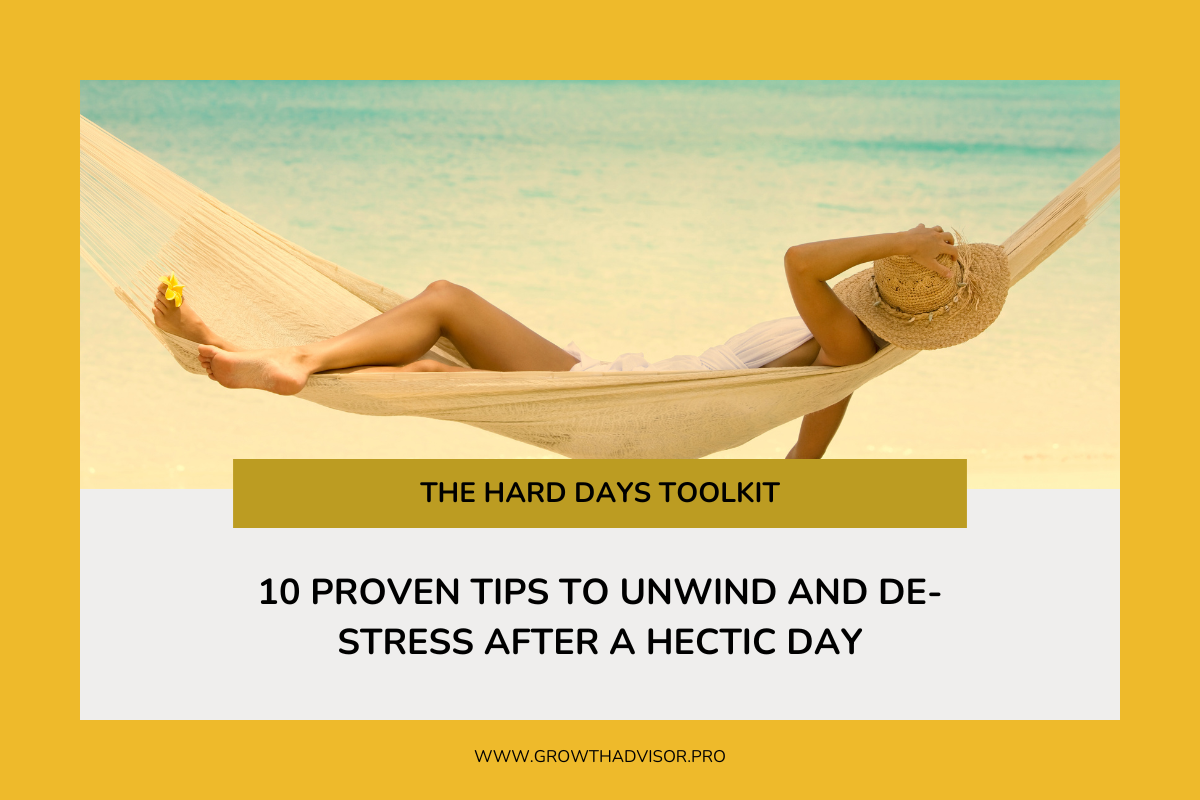
In the hustle and bustle of our daily lives, juggling responsibilities and navigating challenges, finding moments of calm can seem like an elusive dream. The weight of the day’s events can linger, replaying in our minds, while worries about tomorrow creep in. This relentless cycle of stress, if left unchecked, can take a toll on our physical and mental health, leading to burnout and decreased productivity.
But fear not, for relaxation is not a luxury but a necessity. By incorporating simple yet effective self-care practices into your evenings, you can reclaim your peace and recharge for the day ahead. Here are ten proven tips to help you unwind, de-stress, and embrace tranquility after a demanding day.
1. Breathe Deep: The Power of Conscious Respiration
Deep breathing is more than just taking in air; it’s a gateway to activating your body’s natural relaxation response. Shallow breathing, often associated with stress and anxiety, limits the intake of oxygen, leaving you feeling breathless and tense. Deep, diaphragmatic breathing, on the other hand, signals to your nervous system that it’s time to unwind.
How to: Find a quiet space, sit comfortably, and close your eyes. Inhale slowly and deeply through your nose, feeling your abdomen expand. Exhale slowly through your mouth, noticing your abdomen contract.Repeat for several minutes, focusing on the sensation of your breath. You can find guided deep breathing exercises online or through meditation apps to assist you in this practice.
2. Embrace Your Passions: The Joy of Indulgence
Engaging in activities you love is a powerful antidote to stress. Whether it’s playing a musical instrument,pursuing a creative hobby, spending time in nature, or simply curling up with a good book, dedicating time to your passions allows you to shift your focus away from stressors and tap into a sense of flow and enjoyment.
Tip: Make a list of activities that bring you joy and schedule them into your evenings. Even a short burst of enjoyable activity can have a profound impact on your mood and overall well-being.
3. Progressive Muscle Relaxation: Release Tension, Embrace Calm
Stress often manifests physically as muscle tension. Progressive muscle relaxation involves systematically tensing and relaxing different muscle groups, promoting deep relaxation and reducing physical discomfort.
How to: Starting with your toes and working your way up to your head, tense each muscle group for 5-10 seconds, then release and relax for 30 seconds. Notice the contrast between tension and relaxation. You can find guided progressive muscle relaxation scripts online to guide you through the process.
4. Disconnect to Reconnect: Digital Detox
The constant stream of notifications, emails, and social media updates can keep your mind in a state of hyperarousal. Taking a break from technology allows your brain to rest and recharge.
Tip: Set specific times in the evening to disconnect from your devices. Turn off notifications, put your phone on silent, and resist the urge to check emails or social media. Use this time to engage in activities that nourish your mind and body.
5. Schedule Relaxation: Prioritize Your Well-being
Treating relaxation as a non-negotiable part of your day ensures that it doesn’t get pushed aside by other commitments.
How to: Block out time in your calendar for relaxation, just as you would for any other important appointment. Start with small increments of time and gradually increase them as you become more comfortable with the practice.
6. Warm Showers and Baths: Wash Away the Stress
The warmth of a shower or bath can soothe sore muscles, improve circulation, and induce a state of relaxation.
Tip: Add Epsom salts or essential oils to your bath for an extra dose of relaxation. Lavender, chamomile, and bergamot are known for their calming properties. Light candles and play soft music to create a spa-like atmosphere in your own bathroom.
7. Visualization: Harness the Power of Imagination
Guided imagery involves creating mental images of peaceful and relaxing scenes, engaging your senses and transporting you to a state of tranquility.
How to: Find a comfortable position, close your eyes, and imagine yourself in a serene setting. It could be a beach, a forest, or any place that evokes feelings of peace and calm. Engage all your senses – visualize the sights, sounds, smells, and sensations of your chosen environment.
8. Power Naps: Short Bursts of Rejuvenation
A brief nap can work wonders in reducing fatigue, improving mood, and boosting alertness.
Tip: Aim for a nap of 20-30 minutes to avoid grogginess upon waking. Find a quiet, dark place where you won’t be disturbed. Set an alarm to ensure you don’t oversleep.
9. Gentle Exercise: Move to Improve
Exercise releases endorphins, natural mood boosters that can combat stress and anxiety.
Tip: Choose activities you enjoy, such as yoga, walking, or dancing. Even a short 10-minute walk can make a difference.
10. Engage Your Mind: Distraction as a Stress Reliever
Engaging in mentally stimulating activities can divert your attention from stressors and promote relaxation.
Tip: Try reading, puzzles, listening to music, or any activity that captures your interest and helps you unwind.
Conclusion
Feeling overwhelmed and stressed after a long day is a common experience, but it doesn’t have to define your evenings. By incorporating these relaxation techniques into your routine, you can create a sanctuary of calm amidst the chaos. Remember, relaxation is a skill that requires practice and consistency. Be patient with yourself, experiment with different techniques, and discover what works best for you. Prioritizing your well-being is not selfish; it’s essential for living a fulfilling and balanced life.
Bad Days Happen. Here’s How to Cope. (Free Guide)

Feeling overwhelmed, stressed, or just plain down in the dumps?
You’re not alone! I get it, and that’s why I put together this free guide packed with easy ways to comfort yourself and remember your inner strength. Download it now and let’s tackle those bad days together!

